Hungary’s manufacturing base can become a European innovation asset
An essay by MAGEOSZ
Following the Hungarian parliamentary election in April 2026, much of the discussion has centred on the country’s relationship with the European Union. During the campaign, the new government pledged to rebuild trust with European partners, restore Hungary’s standing within the EU, unlock suspended EU funding and pursue a more constructive role in shaping European policy. Those commitments were about more than diplomacy. They were about creating the conditions for long-term economic growth.
If Hungary is serious about resetting its relationship with Europe, manufacturing should be where that reset delivers its first tangible results.
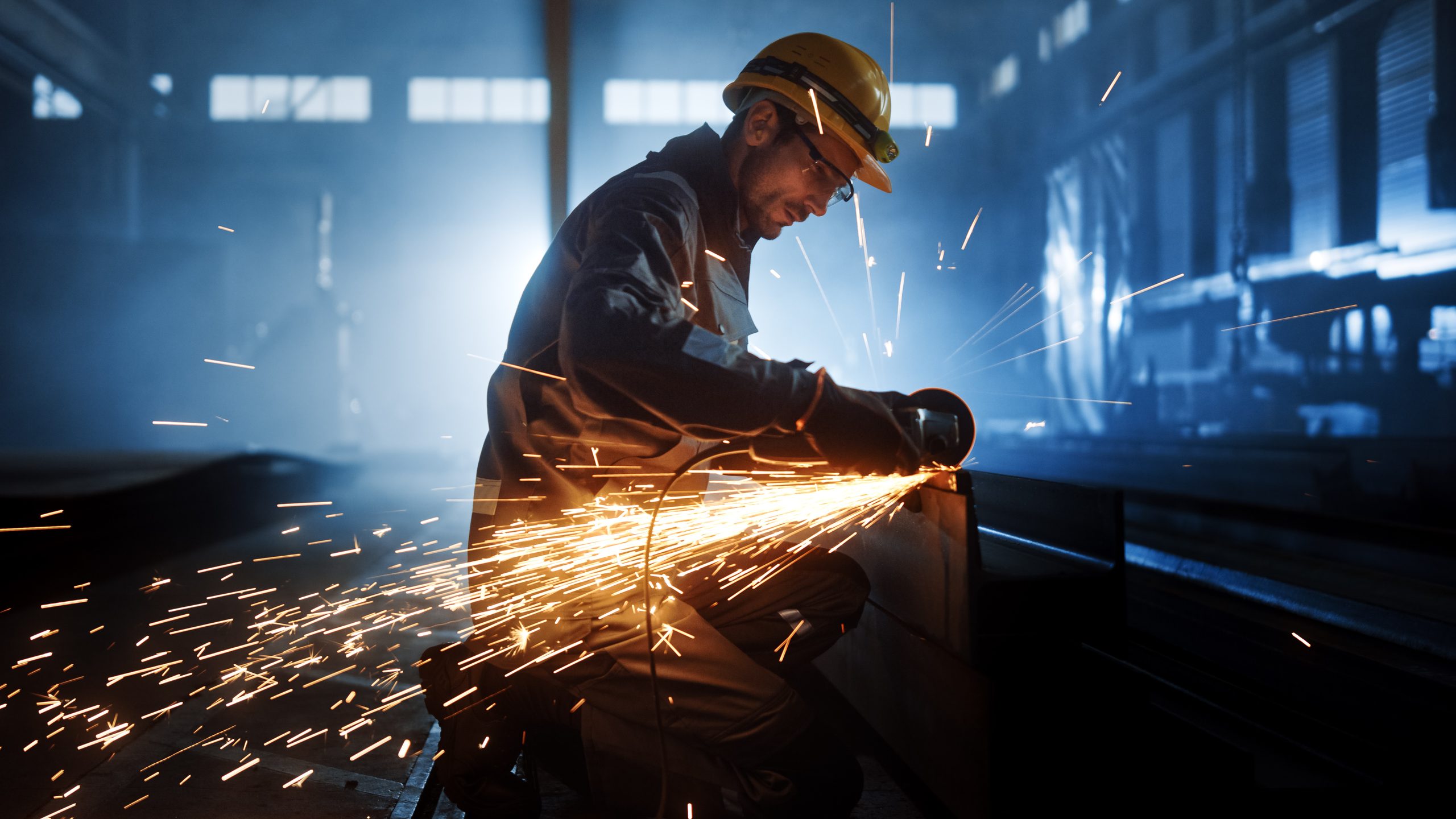
Manufacturing has long been one of Hungary’s greatest economic strengths. It accounts for around one-fifth of the country’s gross value added, making Hungary one of the most manufacturing-intensive economies in the European Union. Manufactured goods represent around 70% of Hungarian exports, with machinery, transport equipment, electrical equipment and metal products forming the backbone of the country’s export performance. Hungary’s industrial base is deeply integrated into European value chains, particularly those linking Central Europe with Germany and other major manufacturing economies.
This is not a story of untapped potential. It is a story of solid foundations that can support the next stage of industrial development.
Hungary has developed internationally competitive capabilities across electrical engineering, mechanical engineering and metal technology. While multinational manufacturers have played a major role in building this ecosystem, it is Hungary’s network of small and medium-sized enterprises that provides its resilience, specialist expertise and industrial flexibility.
The next challenge is upgrading this manufacturing base.
Advanced manufacturing is not a sector in itself. It is the application of technologies such as robotics, artificial intelligence, advanced materials, digital twins and smart automation that enable every manufacturing business to become more productive, more sustainable and more competitive. Whether producing electrical components, industrial machinery or fabricated metal products, manufacturers increasingly compete on their ability to adopt these technologies quickly and bring innovative products to market.
Hungary has many of the ingredients needed to succeed. Its universities have a long tradition of excellence in engineering and technical education. Institutions such as the Budapest University of Technology and Economics, the University of Miskolc and Széchenyi István University continue to produce highly skilled graduates in mechanical engineering, electrical engineering, materials science and industrial technologies. Combined with Hungary’s established supplier networks and central location within European manufacturing corridors, this provides a strong platform for industrial innovation.
However, the transition from manufacturing excellence to innovation leadership will require investment. Hungarian SMEs often operate as highly capable suppliers within larger European value chains but face greater challenges in accessing finance, adopting advanced production technologies and scaling innovation than larger multinational firms. Closing this gap should become a strategic priority for both Hungary and the European Union.
This is where European industrial policy can make a measurable difference.
As the EU develops its next industrial strategy and prepares future funding programmes, advanced manufacturing should be recognised as a strategic capability underpinning Europe’s competitiveness. Horizon Europe should place greater emphasis on helping industrial technologies move from research laboratories into factories, enabling SMEs to commercialise innovation more rapidly. The European Competitiveness Fund should support investment in advanced manufacturing technologies, including factory automation, digital production systems and industrial AI, particularly for small and medium-sized manufacturers. These are practical measures that would strengthen Europe’s industrial base while helping companies compete globally.
Hungary also has an opportunity to diversify the foundations of its industrial competitiveness. Reducing dependence on imported fossil fuels over time through greater energy diversification and investment in clean industrial technologies would improve resilience while supporting Europe’s wider competitiveness and decarbonisation objectives. A stronger partnership with the EU can help accelerate that transition.
The new government’s commitment to closer engagement with Europe presents an opportunity to move beyond political symbolism towards practical economic outcomes. Hungary has already demonstrated that it can be one of Europe’s manufacturing engines. The next step is to become one of Europe’s innovation engines as well.
That ambition will require targeted investment, modern industrial policy and a European strategy that recognises advanced manufacturing as fundamental to the continent’s future competitiveness. Hungary is well placed to help shape that future, as well as to benefit from it.
About the author
László Deák, Managing Director of MAGEOSZ, the Hungarian National Association of Machinery and Power Engineering Industries
László Deák is Managing Director of MAGEOSZ, the Hungarian National Association of Machinery and Power Engineering Industries, representing over 40 companies across Hungary’s machinery and energy engineering sectors. Through MAGEOSZ’s membership in Orgalim and CEEMET, he brings a Central European perspective to European-level advocacy on manufacturing competitiveness, energy costs, and industrial policy. He is based in Budapest.