A path to green industrialisation: Turkey, Manufacturing, and COP31
An essay by MAKFED (Turkish Machinery Federation)
Türkiye is the proud host of the 31st Conference of the Parties to the UN Framework Convention on Climate Change (COP 31). Against this backdrop, at Makfed our focus is on making industry more sustainable, and part of the global climate conversation.
When we think about technologies tackling climate change, it is usually solar panels, wind turbines and electric vehicles often come to mind. Yet far less visible are the machines that shape how we make things, and in turn, how much energy and raw materials we consume in the process.
(Photo: © UN Climate Change – Kiara Worth)
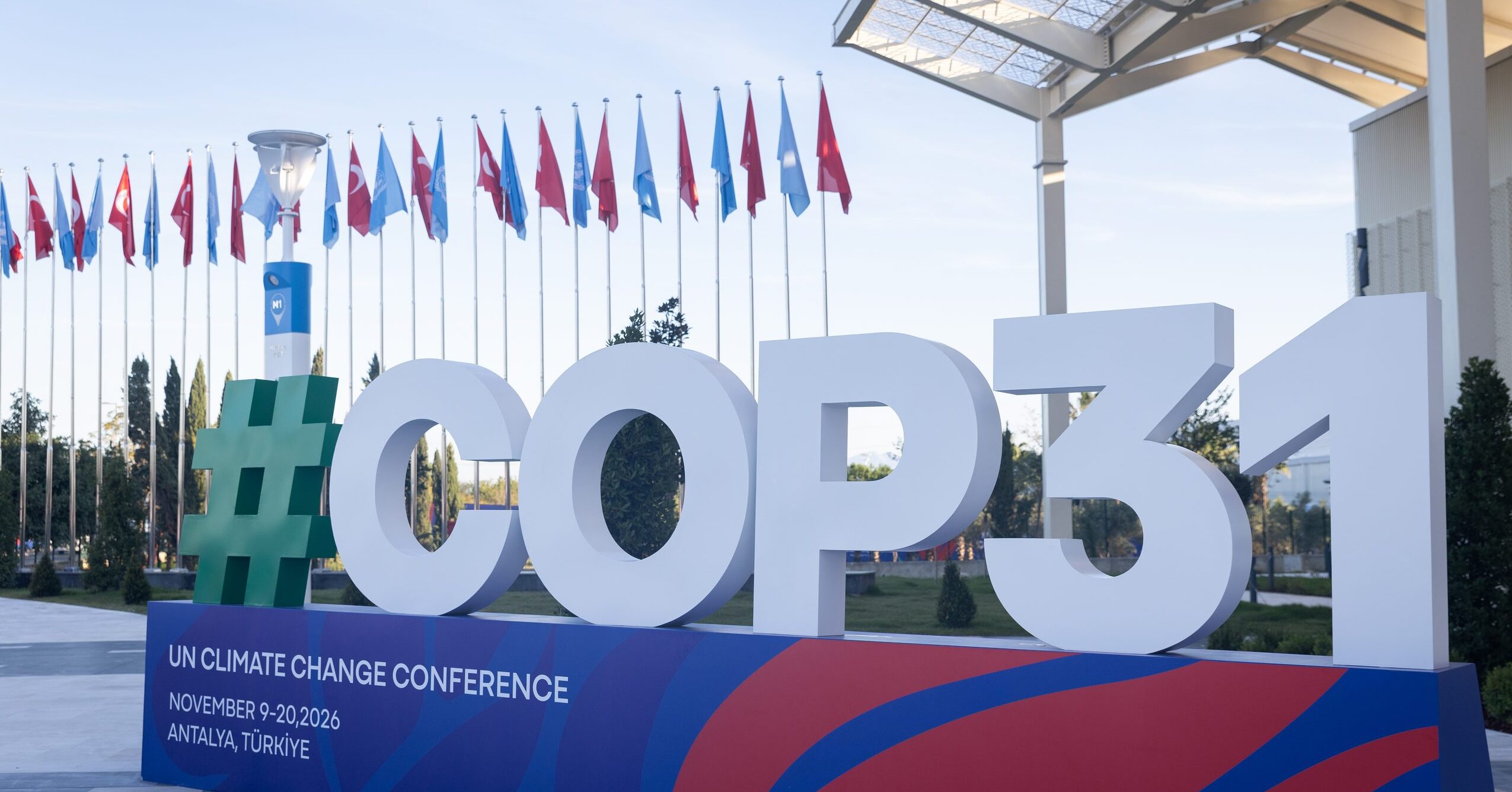
Building on the momentum of the Belém Declaration on Global Green Industrialisation, launched at COP30, green industrialisation is one of the priorities of the COP31 Action Agenda, with a focus on decarbonising energy-intensive sectors such as steel, cement and chemicals, while promoting clean technologies, investment and international cooperation.
Yet how we turn these climate ambitions into reality on the factory floor?
Advanced Manufacturing as an Enabler of Industrial Decarbonization
This is where advanced manufacturing comes in. Our industry is key to supplying the production systems and emissions-reduction technologies needed for the green transition, with industrial digitalisation supporting this process. In this regard, the sector plays a dual role: reducing the environmental footprint of its own operations while developing technologies that help other industries reduce theirs. MAKFED has identified steel, cement, aluminium and fertilisers among the energy-intensive sectors where machinery technologies can contribute to emissions reductions.
Advanced manufacturing is opening new possibilities for this transformation. From more efficient machinery and production processes to automation, data analytics and predictive maintenance, technological advances can help manufacturers improve productivity while reducing energy and resource consumption.
The sector’s contribution also extends to the circular economy. Maintenance, repair and remanufacturing can extend the useful life of industrial machinery and components, helping manufacturers retain their value and reduce demand for new materials.
The potential impact is substantial. According to an Oliver Wyman analysis, machinery and plant-engineering technologies can influence activities responsible for nearly 70% of global CO₂ emissions, highlighting the far-reaching role of advanced manufacturing in the green transition.
Turning Innovation into Impact: Examples from Turkish Industry
What does this potential look like in practice? At a 2023 panel on sustainability in machinery, moderated by MAKFED as part of the Industry 4.0 Applications Summit, Turkish manufacturers shared examples of how technological innovation can improve industrial processes and environmental performance.
One example comes from Akım Metal, whose specialised CNC machinery demonstrates how advanced manufacturing can improve production efficiency. The company reported improvements of up to 60% in time efficiency, nearly 50% savings in floor space and up to 80% in setup times. It also highlighted the potential for energy efficiency through shorter processing times and more efficient resource use through automation.
Another example comes from WAT Motor, which develops high-efficiency electric motors designed to reduce energy losses in industrial applications. Illustrating the impact of upgrading equipment, the company reported approximately 856,000 kWh in electricity savings and 371 tonnes of CO₂-equivalent emissions reductions from replacing 502 inefficient motors.
MAKFED has also worked with Türkiye’s SME development agency, KOSGEB, to support energy-efficiency assessments and equipment upgrades involving industrial electric motors, pumps, fans and compressors, helping bring these improvements to a wider range of manufacturers.
Scaling Up the Green Transition: Investment and Support for SMEs
Scaling up solutions like these requires investment in technology, industrial capabilities and access to finance. As MAKFED has highlighted, making effective use of EU and international financing opportunities, alongside national support instruments, will be important in enabling this transformation.
Alongside access to finance, manufacturers need predictable rules and proportionate administrative requirements to invest with confidence. For SMEs in particular, practical support to adopt new technologies can help translate climate ambitions into more efficient production.
Bridging the Green and Digital Transitions
MAKFED is also involved in initiatives aimed at putting technological transformation into practice. The METU-DTX Digital Transformation and Innovation Centre, established in partnership with MAKFED with contributions from the European Union and Türkiye, marked an important step. Building on this centre, the federation is among the partners of the Artificial Intelligence for Green Technology Anatolia (AI4GTech) project, launched in June 2026 as part of the European Digital Innovation Hubs Network, the federation is among the partners supporting the adoption of AI-driven digital technologies and the green transformation of Turkish industry, particularly in the machinery and automotive sectors.
This transformation also has a European dimension. As MAKFED President Kutlu Karavelioğlu has emphasised, strengthening Türkiye’s industrial integration with Europe while investing in green and digital technologies is essential.
COP31: From Ambition to Industrial Action
COP31 in Antalya offers an opportunity to mobilise the investment and cooperation needed for industrial transformation and an opportunity to demonstrate to the world how our sector can lead the green transformation.
About the author
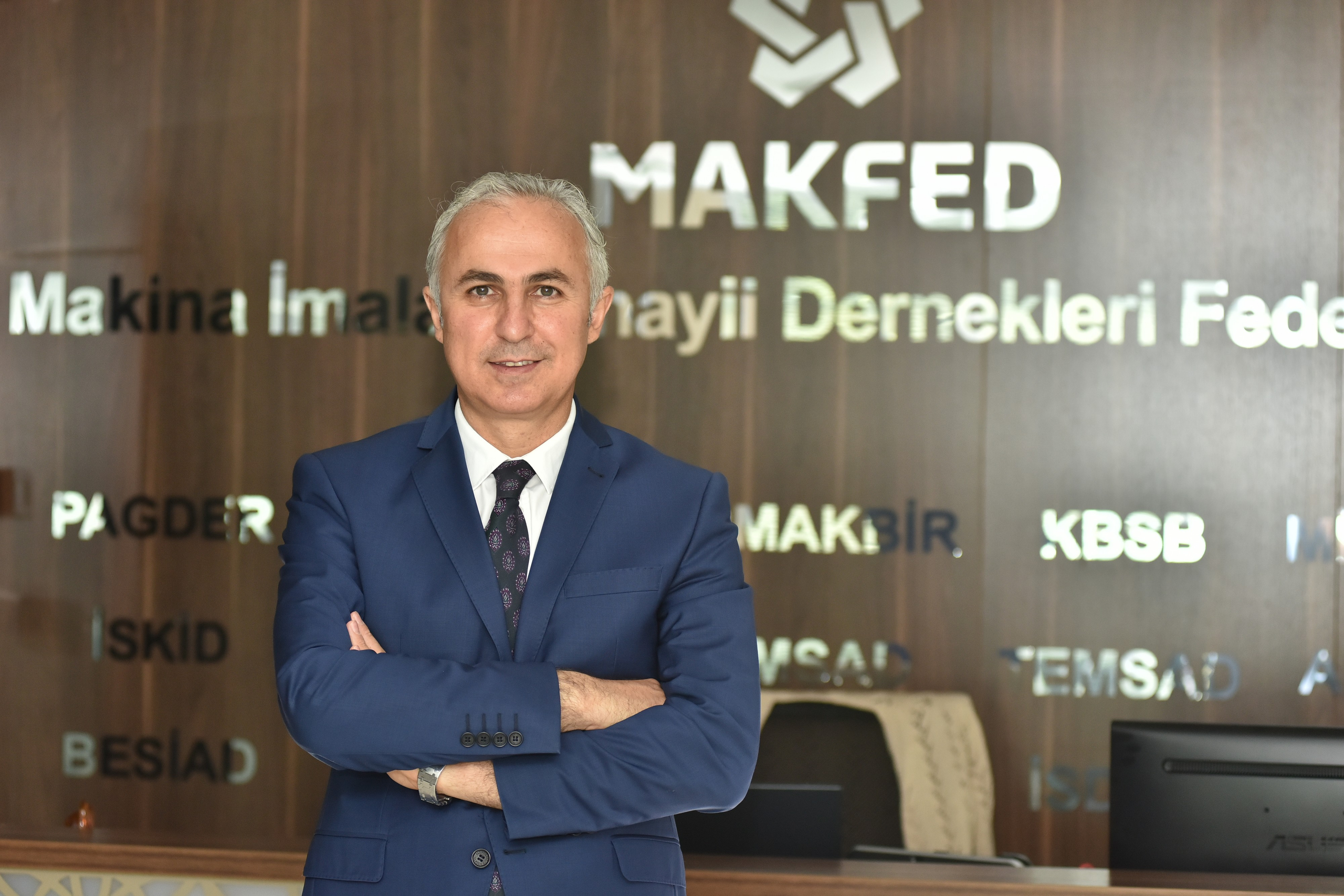
Zühtü Bakır, Secretary General, Turkish Machinery Federation (MAKFED)
Zühtü Bakır is the Secretary General of the Turkish Machinery Federation (MAKFED), a position he has held since June 2017. He holds a degree in Metallurgical and Materials Engineering from Yıldız Technical University and a master’s degree in Technology Policies and Innovation Management. With extensive experience at Türkiye’s Ministry of Industry and Technology, he has contributed to national industrial strategies, international cooperation and European technical committees. He also serves on several industry and public-sector bodies, supporting the development of Türkiye’s machinery sector.